Buying Blinds in Australia: Key Things to Know
Wiki Article
The Blinds' Hidden Layer How They Can Cut Energy Bills In Half
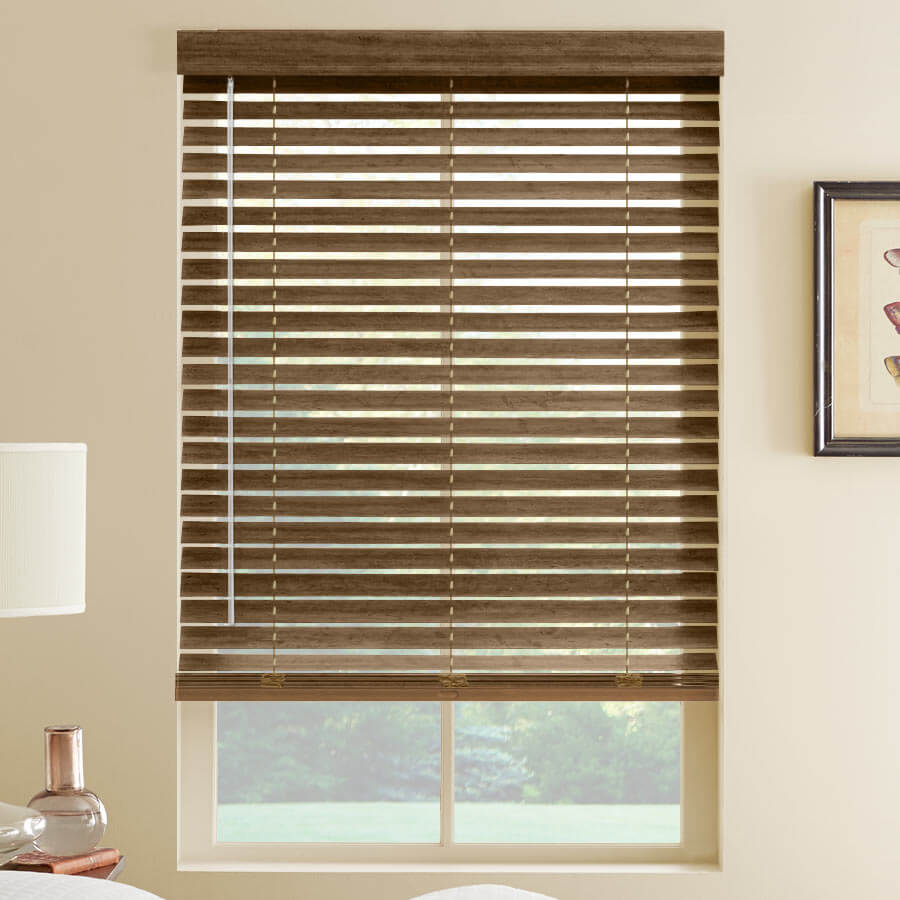
We often concentrate on the most important things in our quest for comfort at home, such as the reverse-cycle AC or ceiling insulation as well as the refrigerator that is high-performance. It's often overlooked, but the blinds in your windows are an effective tool in terms of energy efficiency. Window blinds are the biggest heat loss source as well as unnecessary heat gain, especially in a climate with scorching summers. Window furnishings can have a major impact on your home's thermal performance. This directly has an effect on your copyright, and it reduces your carbon footprint. The key lies in the engineered fabric created to trap the heat, then reflec-te it and insulate.
To grasp the chance, one must first understand the issue. This is the science behind windows. Glass is not a good insulator. It functions as a magnifying glass during summer. The shortwave radiation from the sun is permitted to be absorbed by your home, where it is absorption by flooring and furniture and reflected back into your house, creating the infamous greenhouse effect. In winter, heat is lost through the glass. Blinds that are one layer, a single piece made of fabric or vinyl, give a small amount of protection. Blinds can block glare but do not hinder the transfer of heat. It's the designs that make use of trapped air and reflective technology which make the difference.
The unsung heroes for the efficiency of your home are two types of blinds: the honeycomb (or cell) blinds, and the thermally-backed roll-up blinds.
The Reflective Shield The Reflective Shield
These are like the foil bags that you are using to shield your windows. Addition of a thin metallic or other layer on the fabric back transforms an ordinary blind into a thermal powerhouse. This layer is crucial. The reflective coating must face towards the outside when the blind is closed during summer. It functions as a mirror, bouncing large amounts of solar heat away from the window, before it can even penetrate the glass. It's a powerful, proactive measure. Similar principles are reversed during winter. The reflective layer is facing the room. It reflects heat back to you, instead of let it go through the window. Simple sleek and sophisticated technology transforms a standard blind into a device that regulates the climate. Look for products that specify their "Total Solar Energy Rejected" (TSER) percentage. A good thermal-backed blind is able to block over 70% of solar heat.
Honeycomb (Cellular blinds) The Insulating Trap.
While thermal blinds reflect honeycomb blinds, they insulate with brilliant structural design. The hexagonal cells that resemble beehives aren't just a quaint detail, but also miniature insulation. The vertical columns of fabric are able to hold pockets of quiet, unaffected air when the blinds are pulled down. The static air is one of nature's best insulations. This is the basis for double-glazed windows as well as cavity wall insulation. The air pockets that are trapped create an impressive buffer between the glass of your window and your home. They significantly slow down the transfer of heat from both directions. The temperature of the glass that is blistering is much more difficult to warm the air inside the cells in a hot temperature. This, in turn, slows down your room's warming. The heat inside your home is kept at bay with the cold glass on a cold, cold morning. The efficiency is further amplified when you choose double-cell designs. These have two layers of cells, stacked to create a deeper, more effective air barrier. Honeycomb blinds' appeal is their versatility They are equally effective in keeping heat out as they are at keeping it inside.
A strategic approach is needed to maximize this energy-saving capacity. The seal is crucial. When there are gaps within the seal, performance gets affected. Professional measuring and installation is essential. The seal made by a blind that is precisely fitted into the window recess creates an ideal seal on all sides. To help guide the blind during the face-fit position side channels could be included. This reduces the air gap and light. The most important thing to consider is the way that they are operated. To block summer sun, blinds must be fully closed during high heat hours. To keep warm during winter, close them immediately after the sun goes down. They will function as a insulating drape over the drafty entranceway.
When consulting with suppliers, shift the conversation from just colour and cost-per-square-metre. Ask technical questions to reveal the true quality of the product "What is the R-value of this honeycomb design, or insulation rating? "Is this roller blind reflective thermal backing? And what is its TSER percentage?"
Financially, the logic is strong. While the upfront cost for quality thermal or honeycomb blinds is more expensive than basic models, they should be framed as a long-term investment, not an expense. The savings from your air conditioning and heating systems are substantial. Over the lifespan of the blinds, which could be a decade or more, the cumulative savings on energy bills can effectively pay for the product itself. This isn't just an eye-catching window covering, you're purchasing a smaller monthly power bill.
Energy-efficient blinds are a conscious choice that will result in the most sustainable, resilient home in Australia. This is all about smart design that can adapt to our difficult climate rather than fighting it off by using a blatant air conditioner. This makes for a more pleasant and quiet living space, with less drafts. The hidden layer offers a significant amount of energy efficiency to your home in the midst of rising prices and increased environmental awareness. The simple change can pay off season after season in terms of convenience and cost. See the most popular blinds for more recommendations including blinds store online, custom built blinds, just blinds, blinds 100, order blinds direct, all blinds direct, direct fit blinds, diy blinds australia, blinds off, single blind slats and more.
The Invisible Shield - Why Australian Standards Are The Best Buying Guide
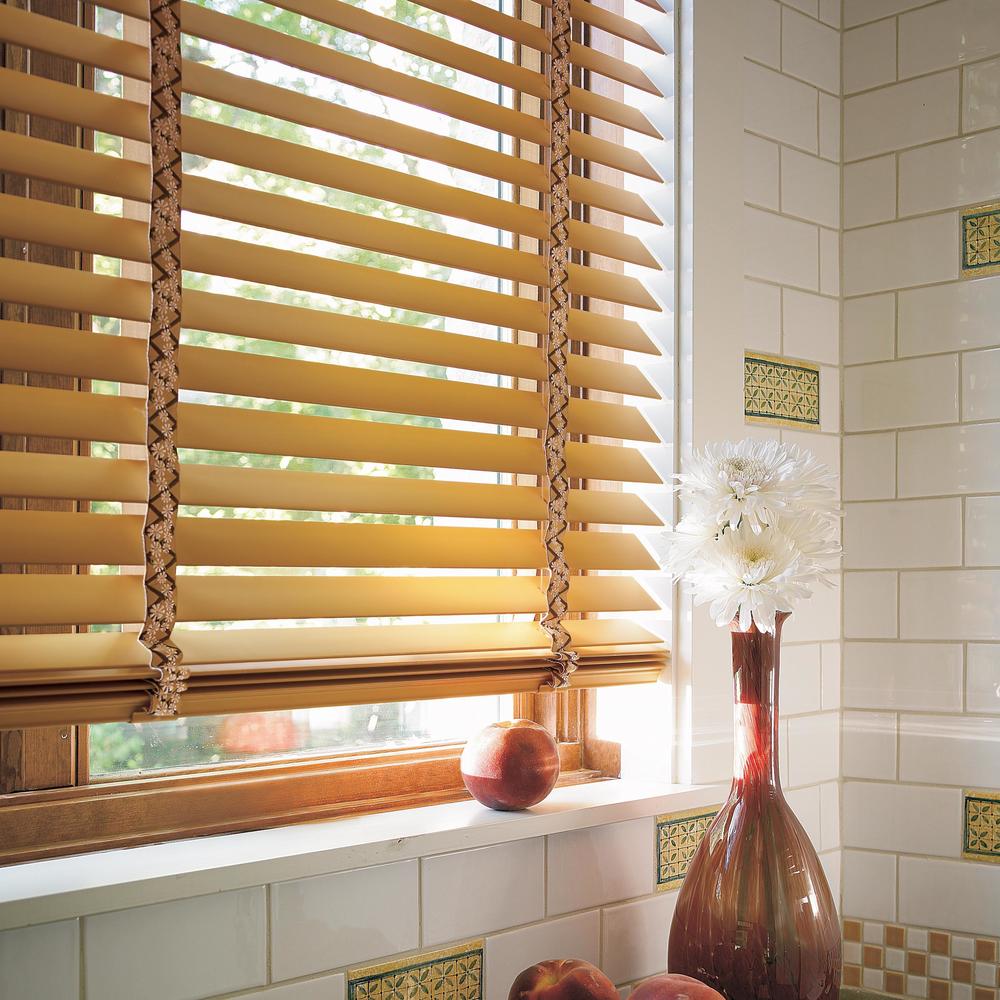
When you choose blinds for your Australian home, you're making an aesthetic decision. There are also threads that are related to technology, law as well as security. These threads you will likely never see. This hidden framework is the set of Australian Standards--mandatory and voluntary regulations that govern every aspect of tensile force of a cord to fire resistance of a material. It's not just a technicality. It provides you with the assurance that a product that you use in your home has been thoroughly tested and developed to survive within the specific demands of society and our environment. It's the distinction between a merely available product and a truly suitable one.
The Australian Competition and Consumer Commission enforces the standard which is mandatory for window blinds with cords. It is not a standard and is a law. The law was born out of tragic events, its purpose is unambiguous to reduce the possibility of strangulation by a child. The law requires that any new blind made of cords must be supplied with specific, installed safety devices. The standard states that tensioners should be permanently affixed to the wall to ensure that cords stay in a tight, tight and taut position. The standard also provides breakaway devices which separate when under pressure. Crucially, the standard details how a product must be installed to be compliant--instructions that must be provided with the product. Suppliers who sell blinds with cords but do not have these features, or suggest you do it yourself in the future, aren't selling a product that is standard-compliant. For the consumer most secure option, it is to select motorised or cordless blinds which are inherently compatible with the standard's ultimate goal.
Alongside this safety standard there are a number of Australian and New Zealand Standards that influence the performance and quality of products. Although they are not always required for sale but the adoption of these standards by reputable manufacturers indicates a product that is constructed to meet a standard. AS/NZS-60335.2.97 - the standard for safety in homes standards for blinds is an important one. The standard defines requirements for durability as well as safety and operation. The standard is designed to test things like the amount of the force needed to operate the control. It ensures that it's not too tight so it is a strain on the components, or is too loose, so that it performs the task in a way that is unpredictable. It evaluates the durability of ladders or tapes for venetian and vertical shades, to ensure they are able to be used repeatedly. This test is conducted using an item that has been put through simulated use in the laboratory. It's a metric of strength in your home.
AS/NZS 1530.3, for example. This covers fire protection. Although it is not mandatory for all residential settings, it becomes paramount in certain multi-residential buildings such as hotels, apartments and aged care facilities where specific fire hazard properties could be required in the Building Code of Australia (BCA). Blinds used in these structures may require the use of materials that aren't flammable or meet stringent tests on the spread of flames and smoke. When choosing a blind, a product referencing fire safety indicates higher-quality fabrics, which are typically more resistant to heat and also have a lesser chance of spreading flames quickly.
Australian standards for performance of materials are of the same importance. There are standards that govern UV degradation and colorfastness. These standards test how materials will withstand our intense sunlight. Fabrics claiming to comply with UV standards should have been tested in simulated Australian conditions been shown to resist physical or fading degradation. If you're looking for sunrooms or outdoor blinds that perform well, check out AS/NZS4388. This standard covers outdoor fabric. Standards for anodizing and coating aluminum components guarantee durability against corrosion, particularly in coastal areas. Compliance here isn't about safety from injury, but safety from premature failure of the product. This will ensure that the product appears and functions in the way it is intended regardless of the years of installation.
How then can you, as a buyer verify this invisible compliance. As an individual buyer, you should shift away from passive acceptance, and instead make an active inquiry. Suppliers will appreciate direct questions such as "Can I prove that this product and its installation are 100% compliant with ACCC's Corded Curtain Standard?" or "Does this product or component have certification tests against the relevant Australian Standard regarding UV stability/fire safety/coastal durability?". They should have documentation, or proof from the manufacturer confirming the compliance. Be deeply sceptical of any product, especially ones sold online through marketplaces in the world, which don't reference Australian Standards. They are made for a general market and are not designed to comply with the environmental and regulatory requirements of Australia.
Due diligence extends far beyond your front entryway. Products that are not compliant could pose dangerous to your safety, as well as voiding your insurance coverage if you are the cause of a disaster (like the possibility of a house fire) or they fail too early leaving no option locally to resolve warranty claims. By selecting a legal, local product installed and delivered by a professional firm, you reduce the chance of being a victim. It's a way to ensure that the purchase you make will benefit and will not affect your home’s safety.
Australian Standards are, at their foundation, a collective agreement to ensure the safety and quality of life. They reflect the collective wisdom of engineers, experts in the field, and safety advocates, all of whom are working to define what "fit for purpose" is in an Australian home. If you select a product which is compliant, you aren't just buying blinds. You're buying confidence in the certainty that each material and mechanism is thoroughly tested and every hazard. In a market full of choices, Australian Standards compliance is the most secure method to differentiate products that are not ready for home use from the ones that are. It is an invisible shield that allows you to take in the view worry-free.